Speakometer vs ELSA Speak at a glance
The table compares current documented capabilities rather than marketing scale or store ratings. Availability, subscriptions and trial offers can vary by platform and country.
| Criterion | Speakometer | ELSA Speak |
|---|---|---|
| Best for | Focused British and American pronunciation practice | Broader AI English-speaking study |
| Pronunciation feedback | Instant color-coded feedback integrated with IPA | AI feedback across sounds, words and wider speaking tasks |
| Accent support | Dedicated British RP and General American reference models | American, British and Australian practice accent choices |
| IPA | Central to active feedback and word practice | IPA transcription documented in the in-app dictionary |
| Focused practice | Sounds, words, minimal pairs, endings and targeted vocabulary sets | Pronunciation lessons and searchable dictionary practice inside a wider curriculum |
| Recorded comparison | Recorded voice playback beside the selected model | Voice recording is used for feedback; learner playback is not clearly documented |
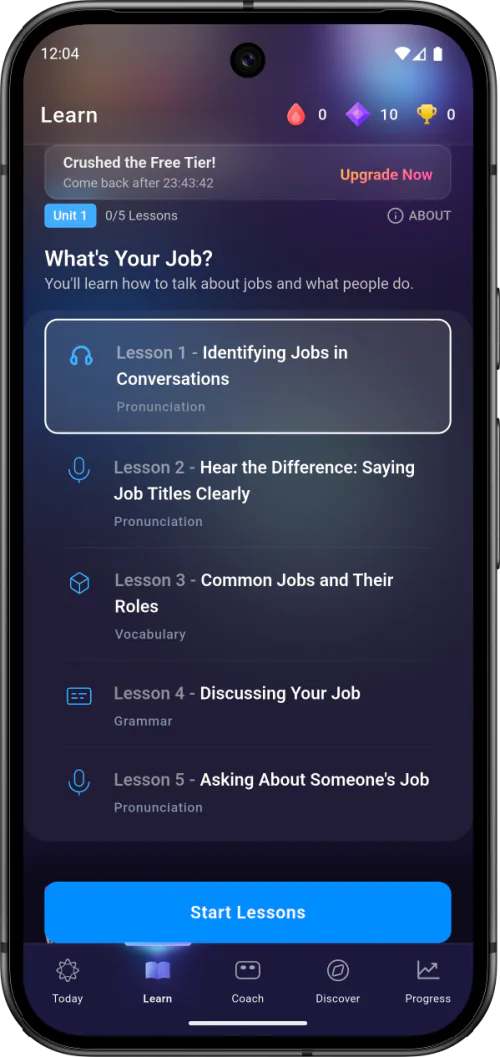
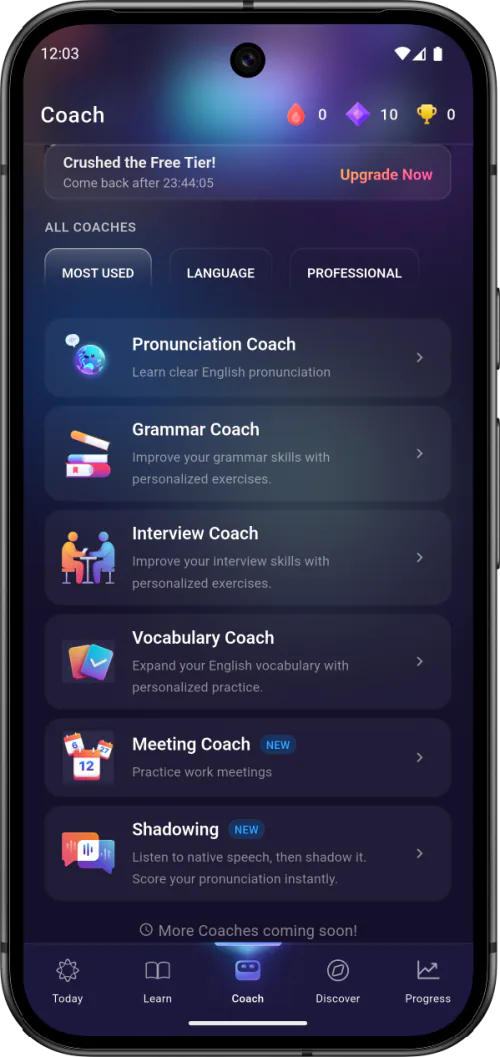
| Broader learning | Focused on pronunciation rather than a complete English course | Vocabulary, grammar, role-play, speaking scenarios and personalized study |
| Platforms | iPhone, iPad and Android | iPhone, iPad and Android |
| Access model | Free download with optional Premium access | Limited free access with subscription plans |
Which app gives better pronunciation feedback?
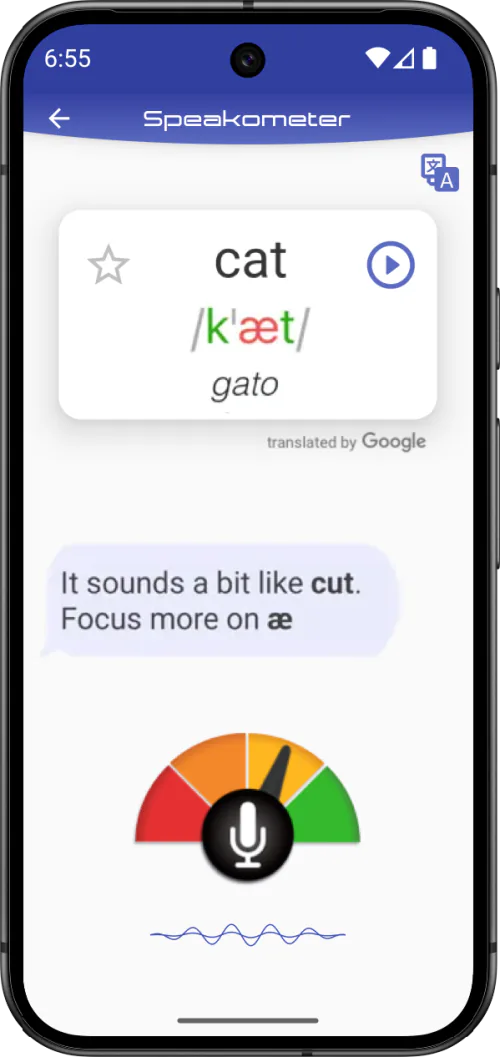
Speakometer is the stronger choice when feedback needs to support a precise, repeatable pronunciation target. Its color-coded feedback is shown with IPA, and learners can move directly between a British or American model, their own recording and another attempt. This is useful when one vowel, consonant, ending or word keeps causing difficulty.
ELSA Speak also analyzes pronunciation and provides detailed AI feedback. Its advantage is context: pronunciation can be practiced in lessons, personalized study paths, dictionary searches and wider speaking activities. That makes ELSA more suitable when the learner wants pronunciation to develop alongside other communication skills.
The practical difference is scope. Speakometer concentrates more of the interface on diagnosing and repeating pronunciation details. ELSA distributes feedback across a broader learning program.
British and American pronunciation support
Speakometer offers separate British Received Pronunciation and General American reference models. Learners choose the model they intend to practice and can use it across word searches, IPA feedback and recorded comparison.
ELSA's current official subscription page documents American, British and Australian accent choices. That is useful for learners who want wider accent flexibility inside ELSA's lessons. Speakometer remains the more focused option when the goal is repeated word-level comparison against clearly identified British and American pronunciation models.
If accent support is your main deciding factor, compare the specialist guides to British pronunciation apps and American accent training apps. They distinguish focused reference models, courses, feedback tools and wider speaking programs.
IPA, minimal pairs and practice structure
Speakometer's focused approach
- IPA is integrated with active color-coded pronunciation feedback.
- Practice includes individual English sounds and more than 8,000 minimal pairs and contrasts.
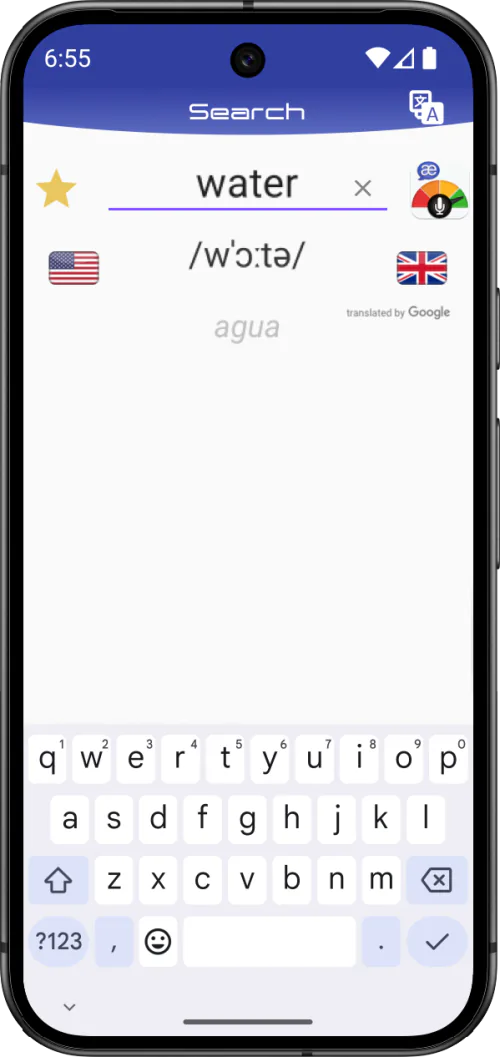
- Learners can search more than 65,000 words and select targeted vocabulary sets.
- Short repeat loops support work on one controlled pronunciation feature at a time.
ELSA Speak's broader approach
- The in-app dictionary documents IPA transcription and pronunciation practice for searched words.
- Personalized lesson paths combine pronunciation with wider speaking needs.
- Vocabulary, grammar and scenario practice extend beyond isolated pronunciation targets.
- AI role-play provides a route from controlled study into longer responses.
ELSA Speak does not present a large minimal-pair library as a central feature on its current official pages, so this comparison does not assume one. Speakometer is the clearer choice when contrast practice and IPA-led feedback are the deciding features.
Recorded playback, conversation and progress
Speakometer documents recorded voice playback for comparing your pronunciation with the selected model. That self-review step matters because a score or transcription alone may not reveal timing, stress or a sound that changes between attempts.
ELSA uses the microphone to analyze speech, and its public materials emphasize immediate feedback, personalized learning paths, role-play and visual progress dashboards. We could not confirm an equivalent learner-recording playback workflow from ELSA Speak's current official pages, so this comparison does not present it as the same feature.
For conversation practice, ELSA has the clear advantage. Learners can choose or create role-play scenarios, speak with an AI tutor and receive feedback after the conversation. Speakometer is intentionally narrower and is better used before or alongside conversation practice when a specific sound or word needs attention.
Strengths and limitations
Speakometer
Best for: focused British and American pronunciation training
Strengths
- Dedicated British and American reference models.
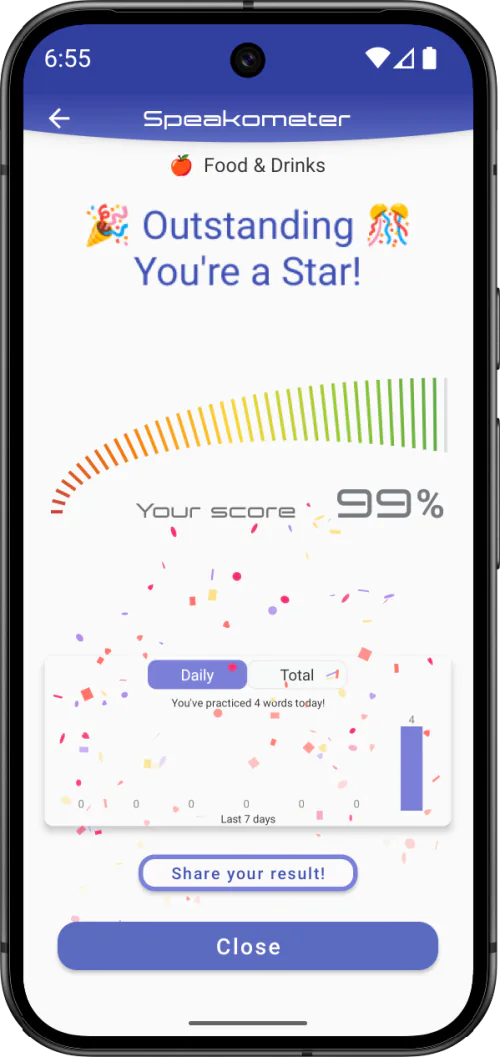
- IPA, instant feedback and recorded playback in one focused loop.
- Extensive word search, minimal pairs and targeted practice sets.
- Core practice can begin without an account and can work offline.
Limitations
- Not a complete vocabulary, grammar or conversation course.
- Feedback is automated rather than delivered by a human coach.
- Current Premium terms depend on platform, country and offer.
ELSA Speak
Best for: broader AI English-speaking study
Strengths
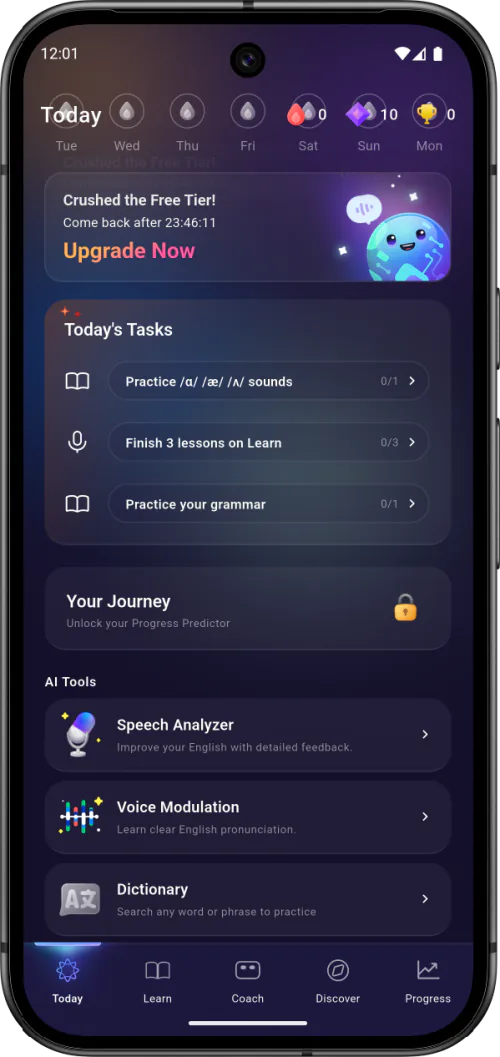
- Pronunciation sits inside a wider English-speaking curriculum.
- Personalized learning, progress tracking and AI role-play.
- Official materials document American, British and Australian accent choices.
- Dictionary searches support pronunciation practice and IPA transcription.
Limitations
- The broader interface can be less direct for one recurring sound or minimal-pair problem.
- We could not confirm learner recording playback from ELSA Speak's current official pages.
- Subscriptions, trials and included features can vary by plan and market.
Which app should you choose?
Choose Speakometer if:
- You want a dedicated British or American pronunciation model.
- You learn through IPA and need immediate sound- or word-level feedback.
- You want to hear your recording beside the model.
- Minimal pairs, searchable words and focused repetition are priorities.
Choose ELSA Speak if:
- You want pronunciation as part of a wider English program.
- Vocabulary, grammar and personalized lessons matter alongside speech.
- You want AI role-play and real-world speaking scenarios.
- A broader progress dashboard is more useful than a narrow practice tool.
Some learners can use both formats without duplicating the same job: Speakometer for a precise sound or word target, then ELSA for applying clearer speech in a longer scenario. If you are still comparing formats, see the full guide to the best English pronunciation apps in 2026.
Platforms and pricing model
Both apps are currently available for iPhone, iPad and Android. Speakometer is a free download with optional Premium access. ELSA provides limited free access and paid subscription plans. The exact price, included features, trial eligibility and renewal terms can vary by store, market and current offer.
Before subscribing, test the free practice loop on the device you intend to use. Confirm that the feedback format is understandable, the accent option matches your target and the amount of daily practice you expect fits the current plan.
How this comparison was prepared
The comparison focuses on pronunciation feedback, British and American accent support, IPA, recorded playback, minimal pairs, word practice, broader lesson scope, conversation tools, progress features, platforms and access model. It does not use store ratings, download totals or arbitrary star scores.
Official product pages: Speakometer and ELSA Speak.
The comparison was prepared using current official product pages, help documentation and app-store listings. Features, availability and subscription terms may change over time.
Conclusion
Speakometer is better for learners who want focused British or American pronunciation training with IPA feedback, minimal pairs, searchable words and recorded voice comparison. ELSA Speak is better for learners who want pronunciation inside a broader AI English program with vocabulary, grammar, personalized lessons and role-play.
The most useful choice is the app whose daily practice matches the immediate problem. Select focused pronunciation detail when you know which sound or word needs work; select the broader curriculum when pronunciation is one part of a larger speaking goal.